Political Inspirations & Influences
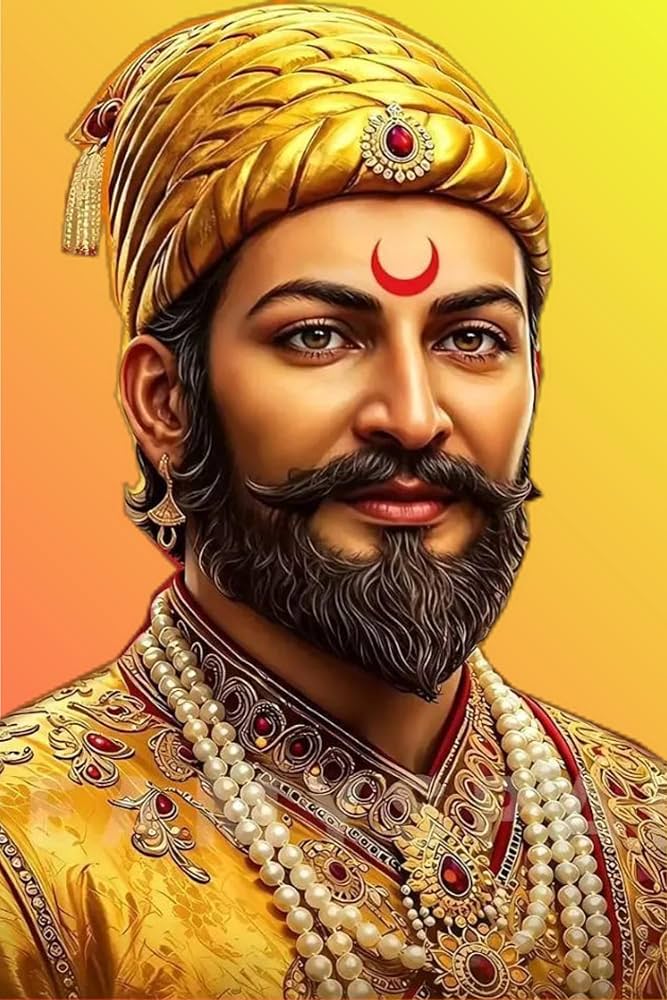
Shivaji Maharaj
Builder of a functional multi-religious state that protected the weak and respected diversity. His administrative systems and naval strength demonstrated how indigenous leadership can create prosperity and stability.
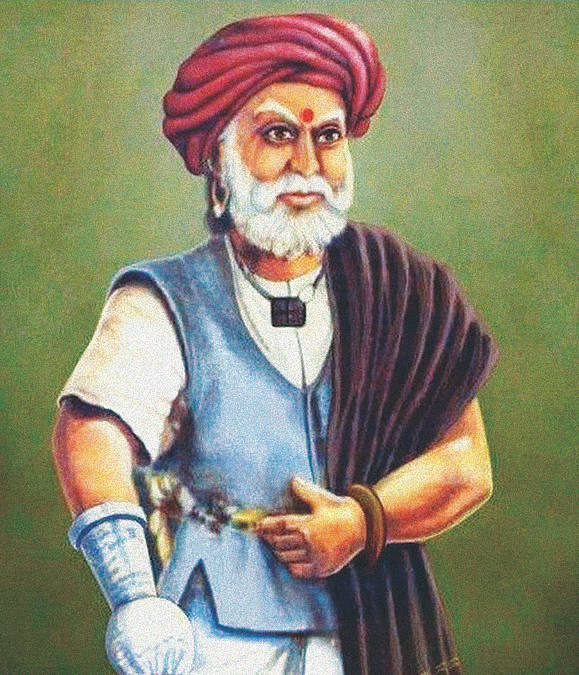
Lahuji Raghoji Salve
Dalitbahujan social reformer who challenged caste hierarchies through organization and education. His pioneering work in mass mobilization laid groundwork for modern anti-caste movements.
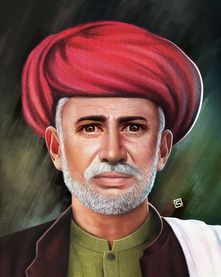
Mahatma Jyotirao Govindrao Phule
Pioneer of emancipatory education and anti-caste struggle. Demonstrated that organized knowledge and institutional strength serve the oppressed better than charitable benevolence.
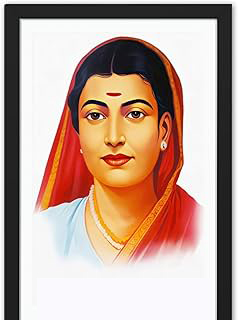
Savitribai Phule
Revolutionary educator and social activist who fought for women's rights and anti-caste justice simultaneously. Her work proved that liberation struggles are interconnected and strengthened by unity.
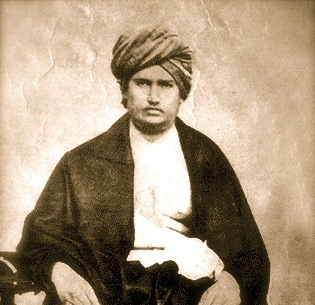
Swami Dayananda Saraswati
Vedic scholar and reformer who grounded social criticism in scriptural wisdom. Showed how spiritual philosophy could challenge hierarchy and advocate for rational, equitable society.
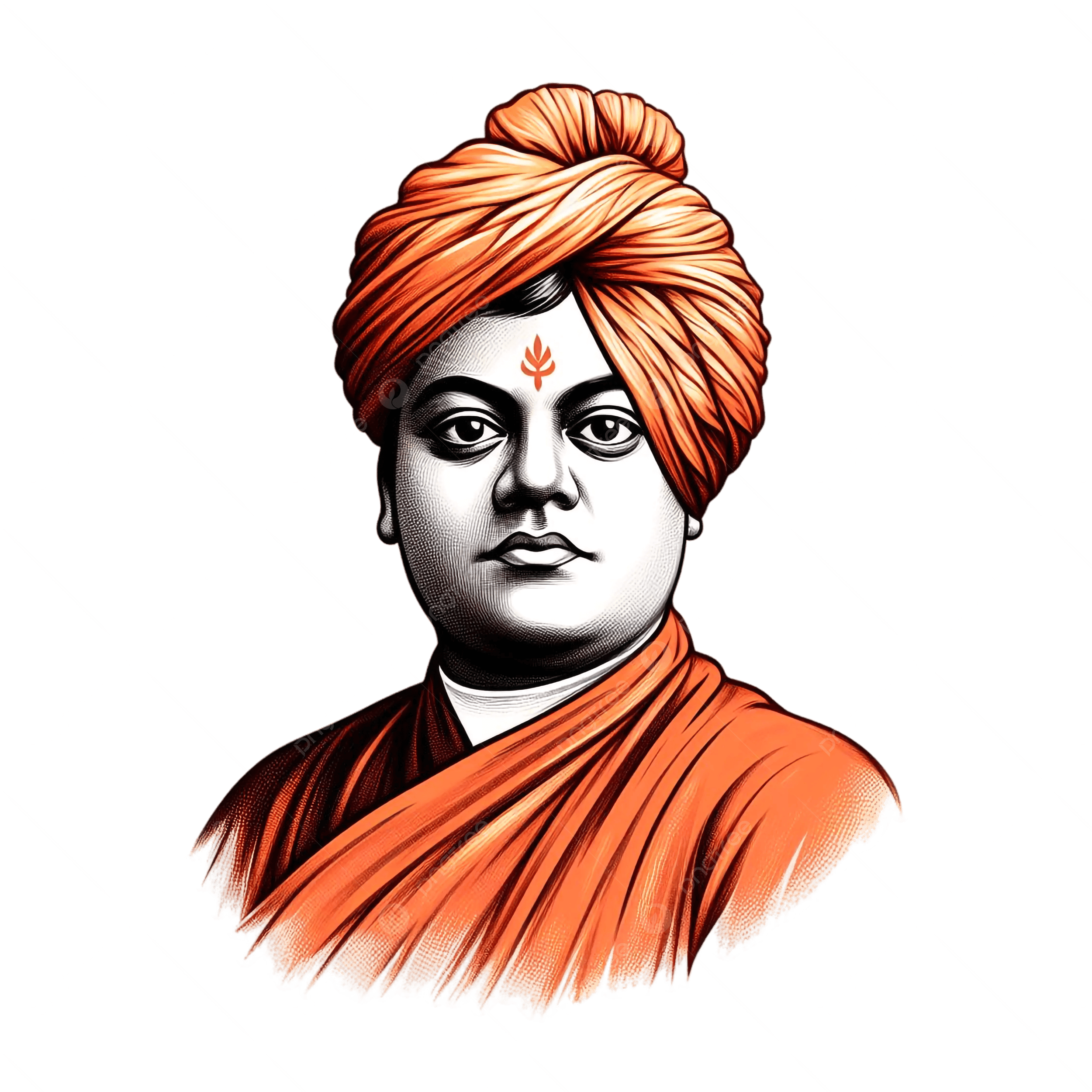
Swami Vivekananda
Spiritual sage who merged mysticism with social activism. Believed individual awakening and collective empowerment of the masses are complementary paths to human liberation.
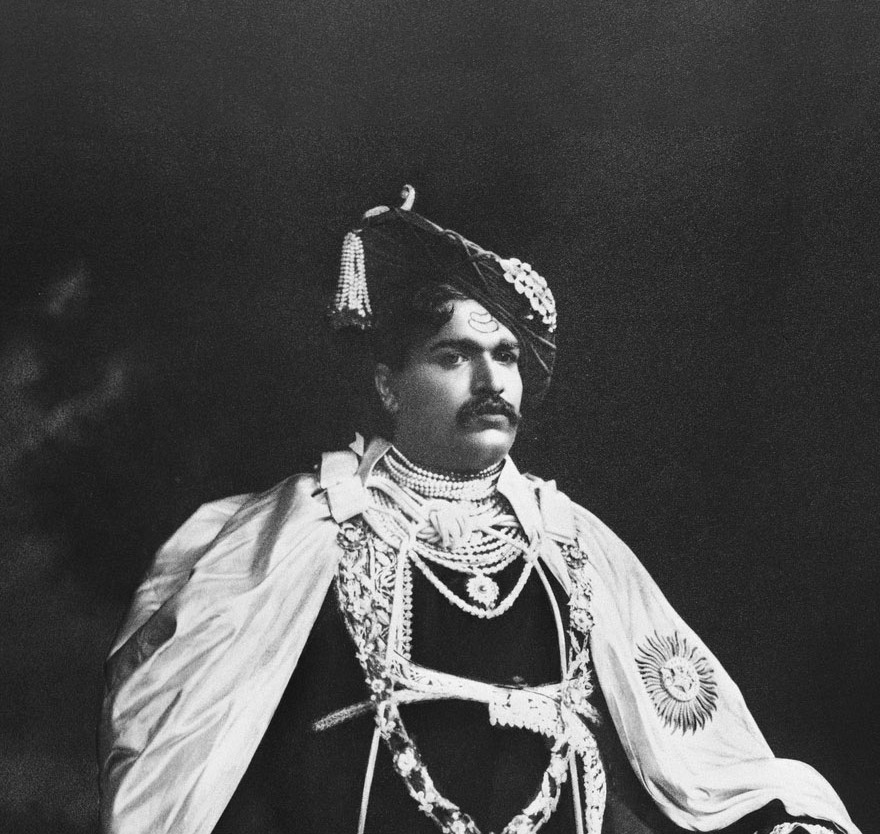
Chhatrapati Shahu Maharaj
Enlightened ruler who reserved government positions for marginalized communities and abolished exploitative taxes. Proved that inclusive governance creates prosperity and reduces conflict.
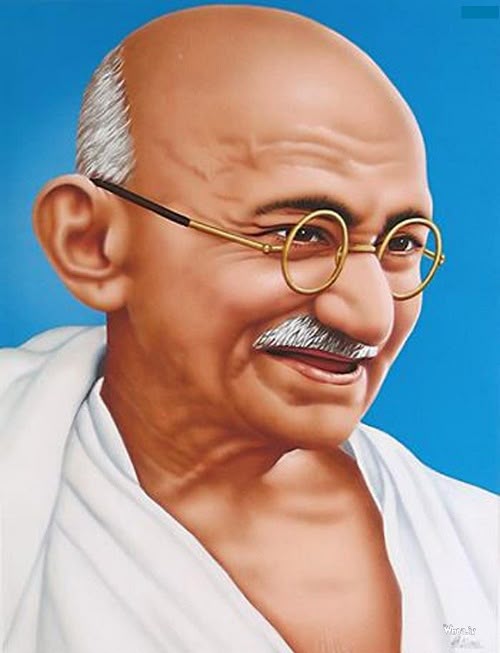
Mohandas Karamchand Gandhi
Prophet of non-violence and mass mobilization. His satyagraha philosophy demonstrated that moral force can defeat military power when rooted in ethical principles and mass participation.
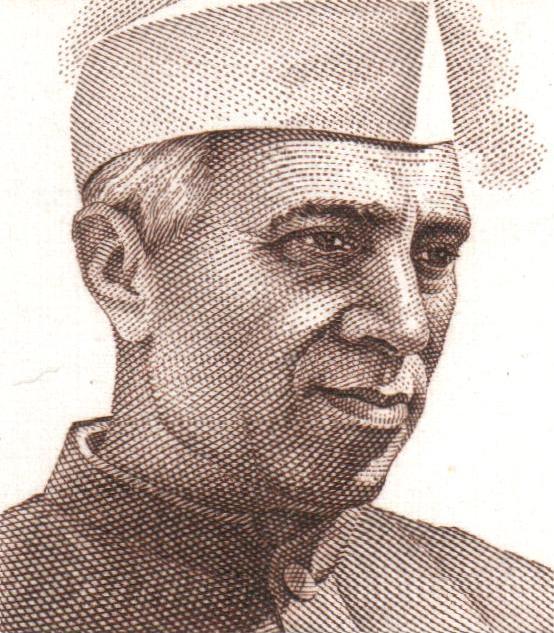
Pandit Jawaharlal Nehru
Architect of modern India's constitutional democracy and developmental state. Vision for scientific temper, secular governance, and institutional nation-building shaped independent India's trajectory.
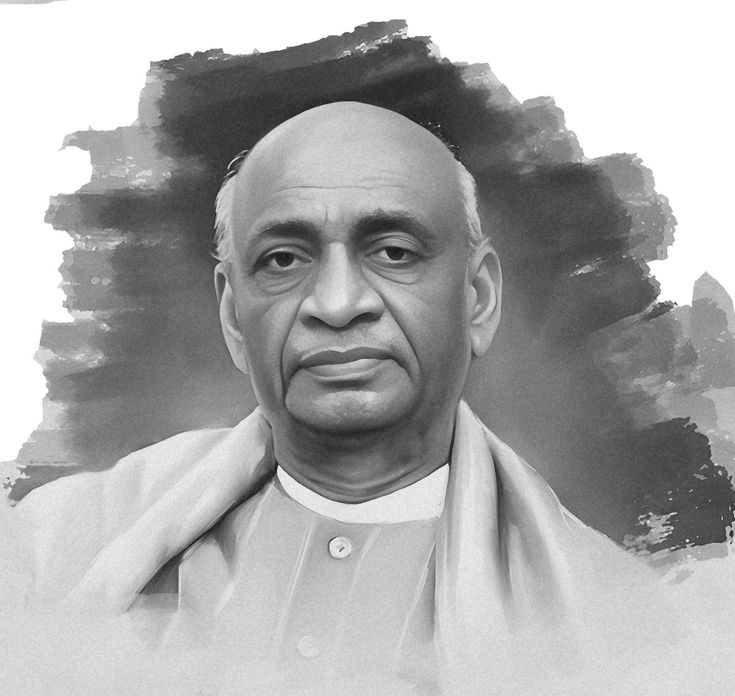
Sardar Vallabhbhai Patel
Iron Man of India who unified a fragmented subcontinent through diplomatic wisdom and institutional strength. Demonstrated how disciplined organization and political capacity ensure national cohesion.
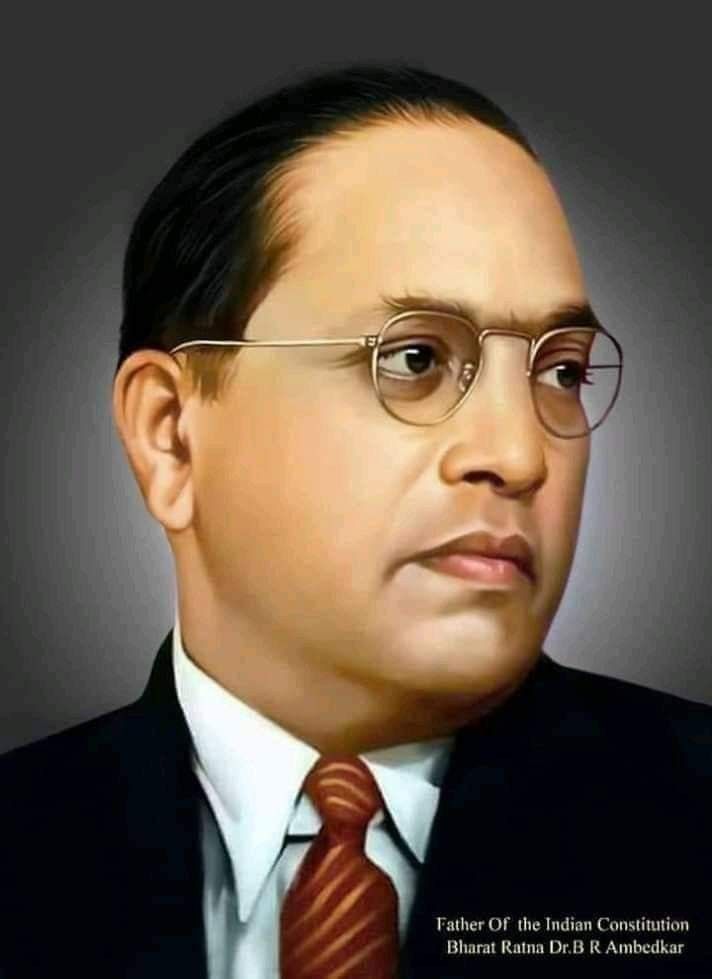
Dr. B. R. Ambedkar
Architect of the Indian Constitution and champion of constitutional equality. His framework for justice through constitutional means—not violence—remains the blueprint for marginalized liberation.
V. P. Menon
Administrative architect who designed constitutional integration of Indian states. His institutional innovation proved that bureaucratic wisdom guided by democratic values can solve complex national challenges.
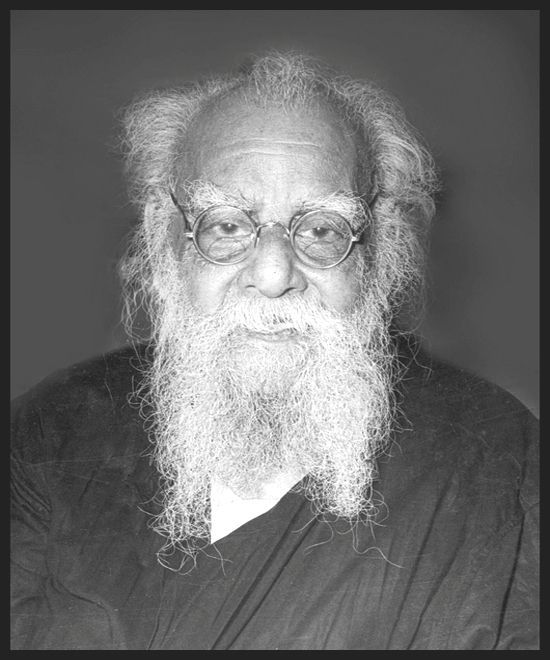
Periyar E. V. Ramaswami Nayakar
Rationalizer and anti-Brahmin activist who weaponized self-respect against caste supremacy. Taught that reason, organization, and mass consciousness are more powerful than tradition and hierarchy.
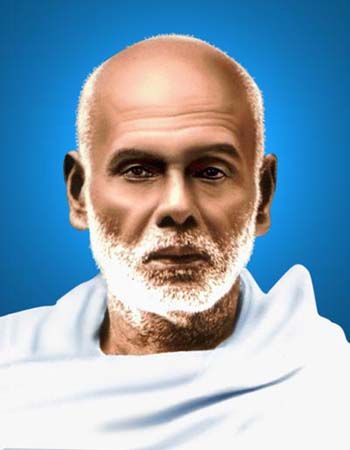
Narayana Guru
Spiritual reformer who opened temple sanctuaries to all castes and codified universal brotherhood. Demonstrated how religious institutionalism can be wielded for social justice and dignity.
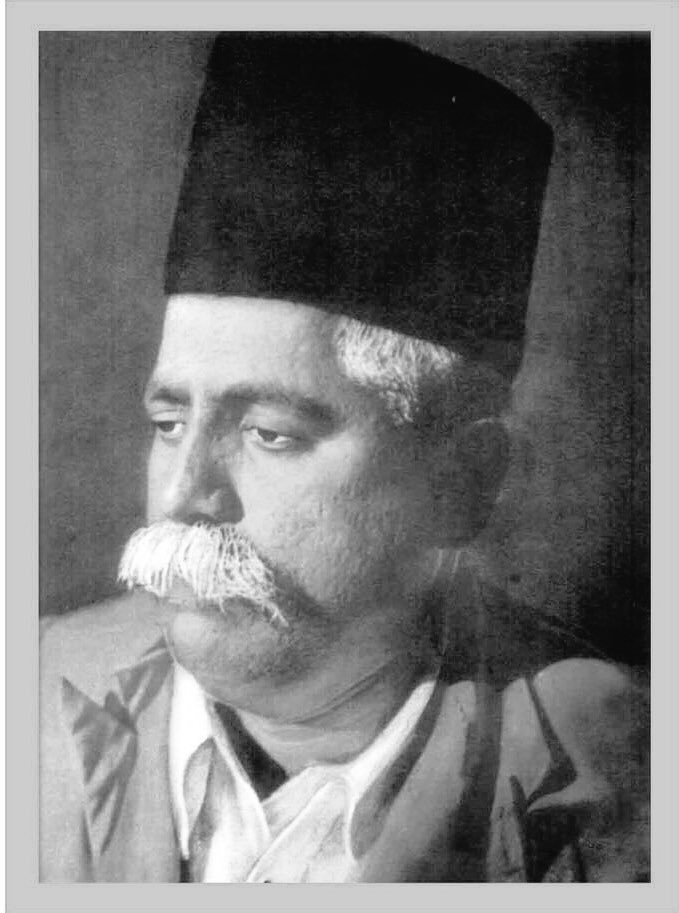
Dr. K. B. Hedgewar
Organizer and ideologue committed to Hindu nationalism through organizational discipline. His model of mass organization and committed cadre proved influential in Indian political movements.
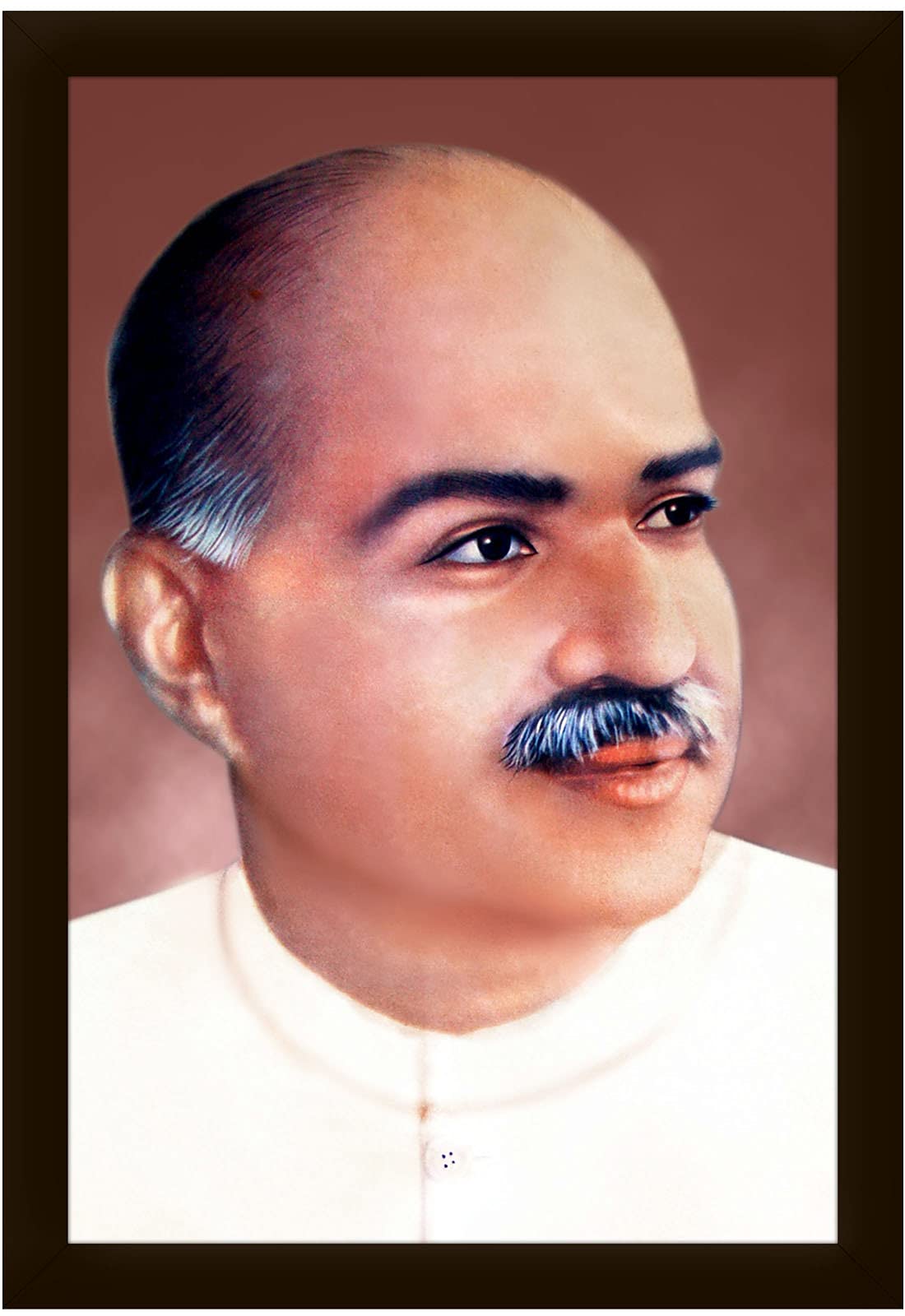
Dr. Syama Prasad Mookerjee
Hindu nationalist leader who articulated visions of integral nationalism and Hindu polity. His political thought combined cultural consciousness with democratic institutional frameworks.
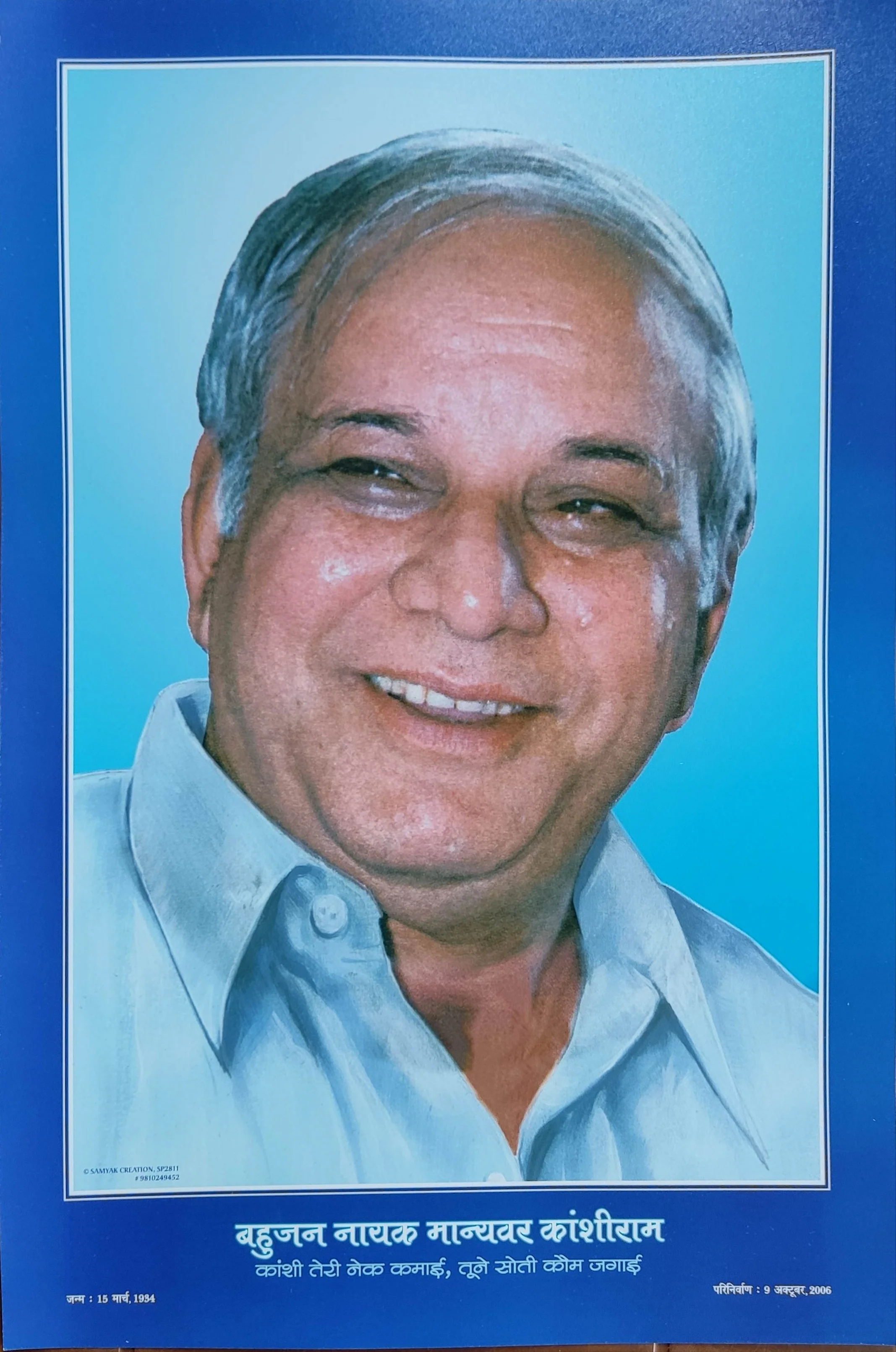
Manyavar Kanshiram
Building block theorist who systematically organized Bahujan communities for political power. His strategic vision transformed social movements into electoral revolution for Dalit empowerment.
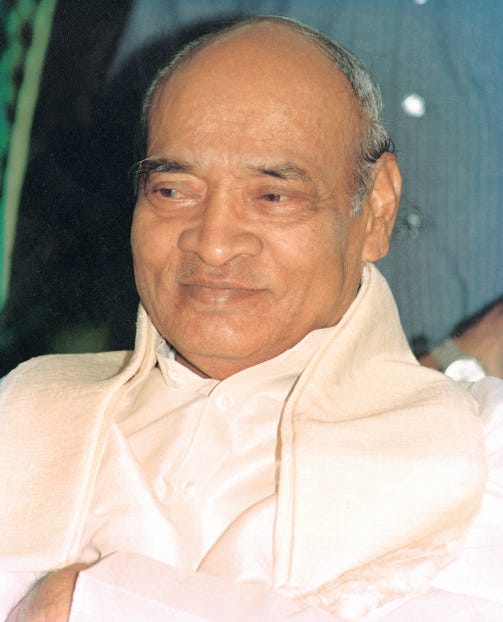
P. V. Narasimha Rao
Political economist who stewarded India through critical economic reforms. His vision balanced constitutional obligations with pragmatic governance, reshaping India's economic trajectory.
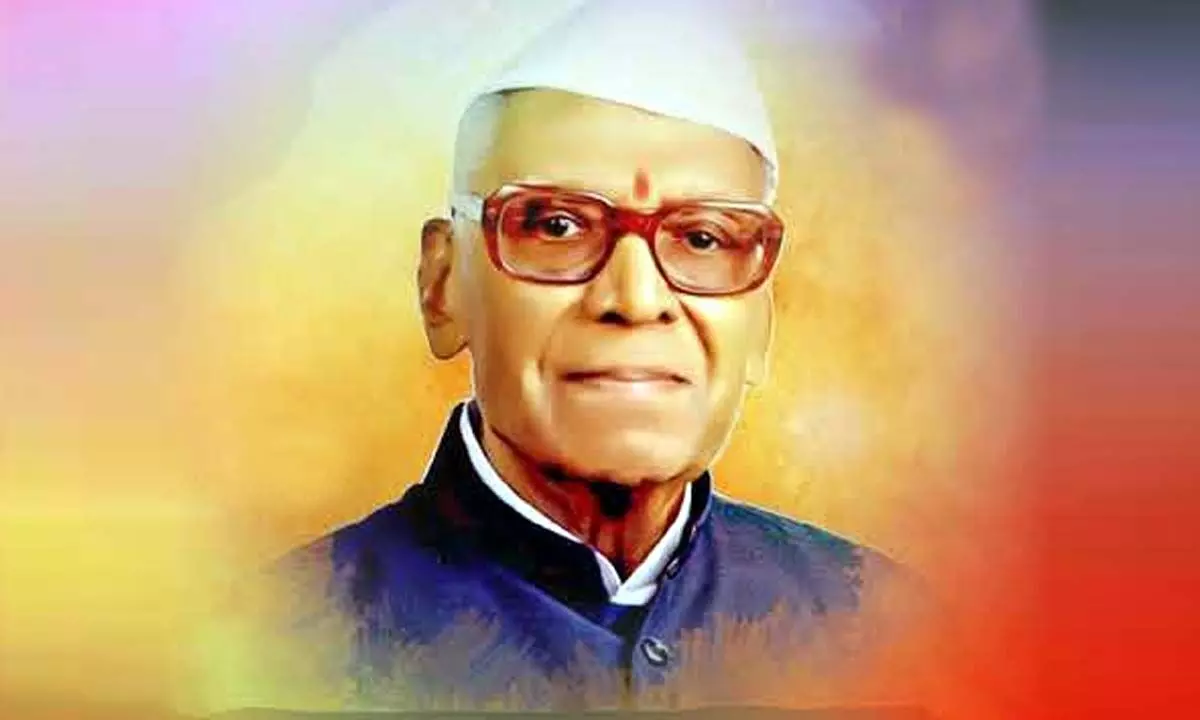
Konda Lakshman Bapuji
Telangana freedom fighter and organizational leader who mobilized masses for self-determination. His grassroots political work demonstrated the power of persistent, principled organizing.
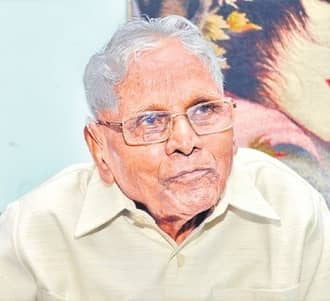
Dr. T. V. Narayana
Intellectual and political leader committed to constitutional values and democratic governance. His scholarly work grounded political practice in reasoned analysis and constitutional principles.
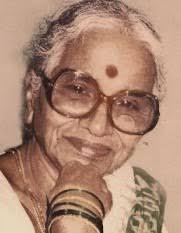
T. N. Sadalakshmi
Women's rights advocate and political leader who integrated gender justice into larger political movements. Demonstrated that women's liberation strengthens democracy and social transformation.
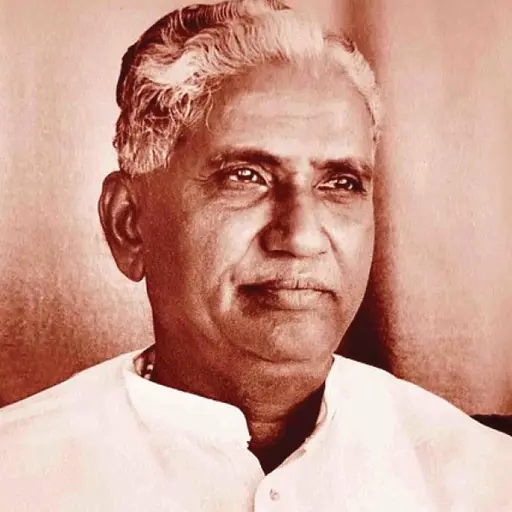
Dr. Marri Chenna Reddy
Regional statesman who balanced regional aspirations with national integration. His political career illustrates how local movements can succeed when grounded in constitutional federalism.
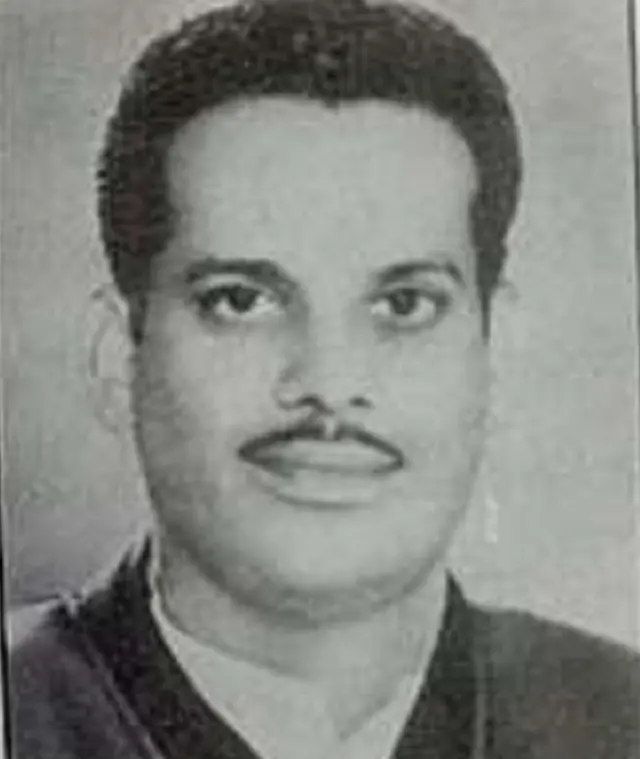
Ananthula Madan Mohan
Political organizer committed to popular democratic participation. His movement-building work proved that persistent grassroots organizing creates lasting political transformation.
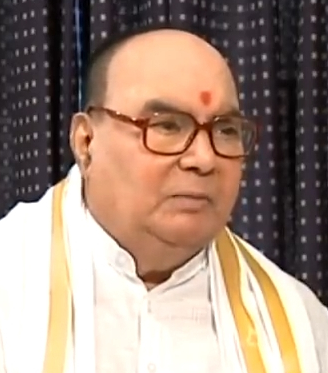
Nadendla Bhaskar Rao
Legislative leader and political strategist who wielded constitutional powers for social justice. His career demonstrates how political institutions can be used as instruments of empowerment.
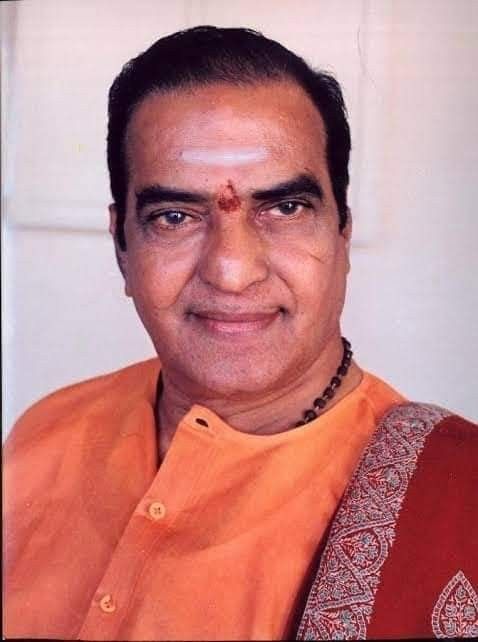
N. T. Rama Rao
Actor-turned-politician who democratized regional cinema and electoral politics. His career proved that outsiders armed with mass appeal and political will can reshape democratic governance.
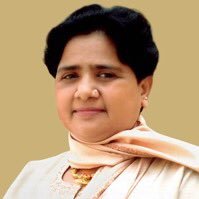
Bahen Kumari Mayawati
Dalit icon who mobilized marginalized millions for electoral power and governance. Her political journey transformed abstract constitutional promises into lived reality for oppressed communities.
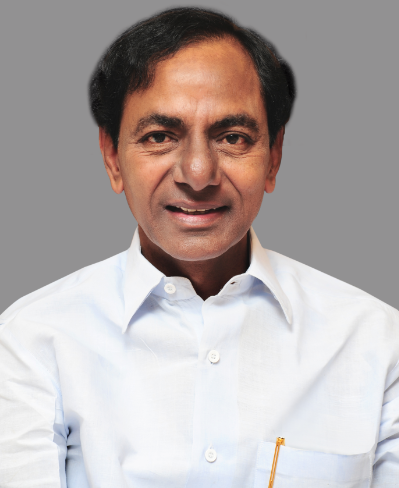
K. Chandrashekar Rao
Regional visionary who built a comprehensive movement for Telangana statehood. His political persistence and organizational capacity transformed regional aspirations into constitutional reality.
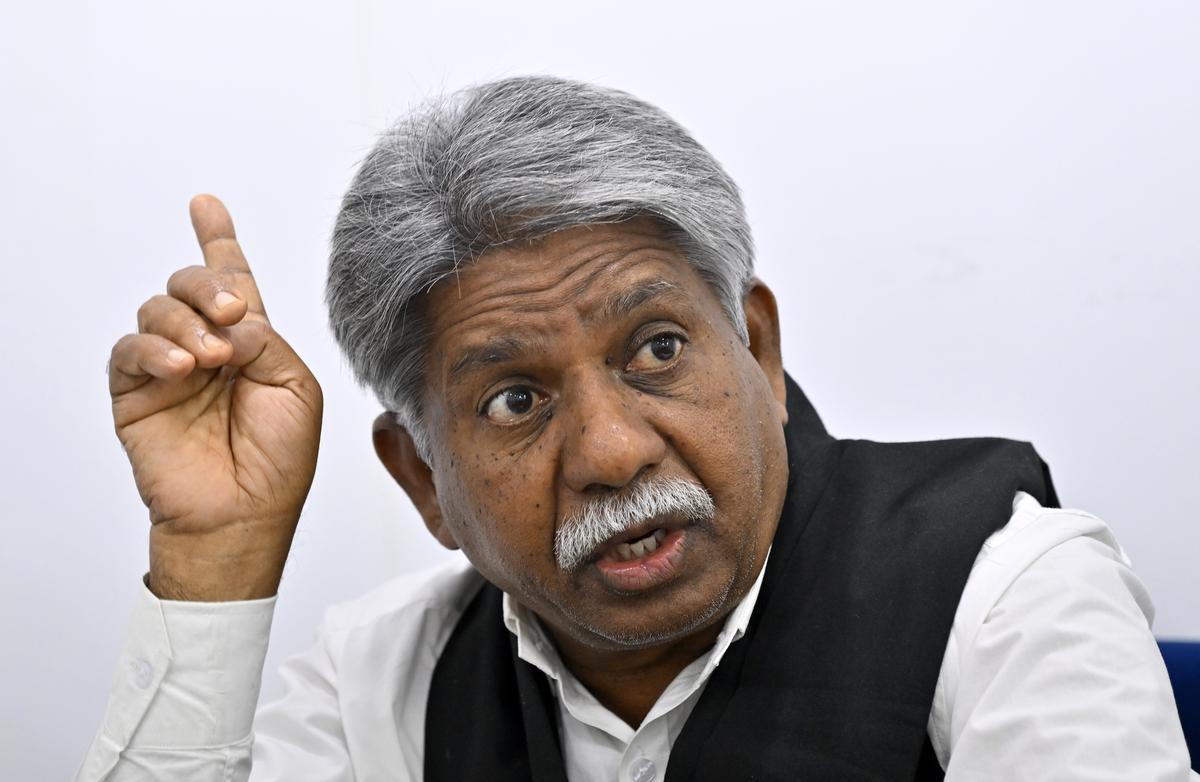
Manda Krishna Madiga
Dalit activist and organizer who mobilized marginal Dalit communities for self-assertion. His political work emphasized dignity, organization, and democratic participation for the poorest.
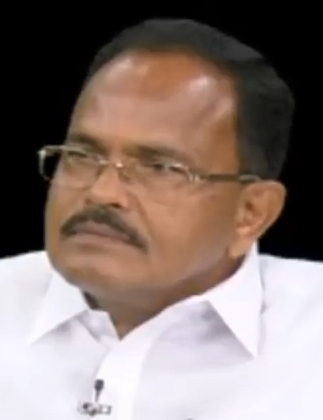
Mothkupalli Narsimlu
Political leader committed to backward community empowerment and social justice. His organized work demonstrated how political movements can systematically challenge hierarchies and demand rights.
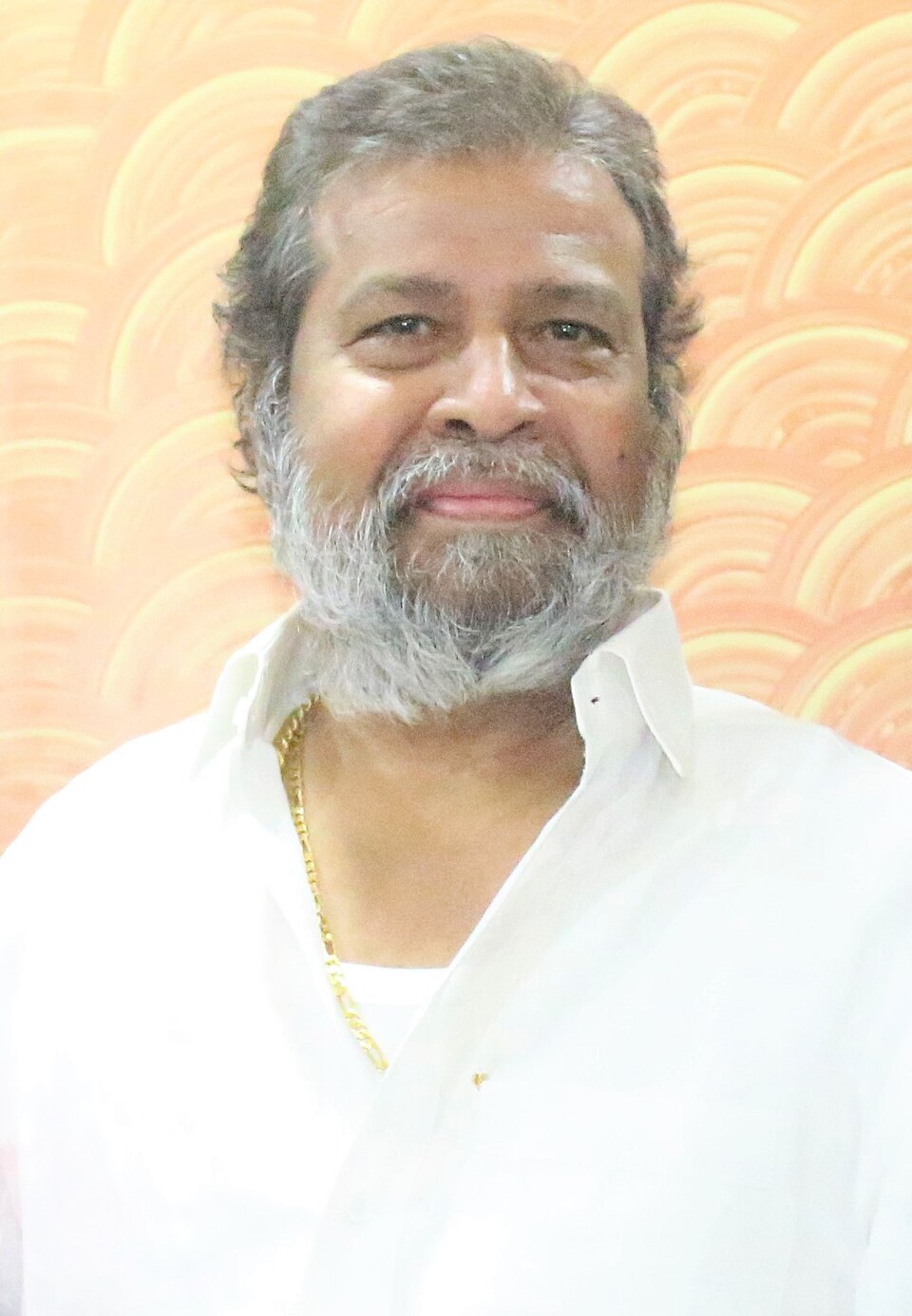
C. Damodara Raja Narasimha
Political visionary who synthesized progressive governance with regional identity. His political philosophy integrated social justice, administrative efficiency, and constitutional democracy.